











 France
  English
  United Arab Emirates
  España
  Россия
  中国
中国 Homeschooling Abroad: What Expat Families Need to Know
Thinking about homeschooling your child during an expat posting? Whether it is even legal depends on your host country, and the curriculum you choose will shape their whole trajectory.

Moving abroad shakes up every family routine, and schooling is usually at the top of the list. When the local schools teach in a language your child does not speak, when the international school has a two-year waiting list, or when your posting only lasts eighteen months, homeschooling suddenly stops being a fringe idea and starts looking like a serious option. But here is the catch: whether you are even allowed to homeschool depends entirely on the country stamped in your residence permit, not on the one in your passport.
Before going further, let us agree on vocabulary. Depending on where you live, you will come across “homeschooling”, “home education”, “elective home education” (the official term in England), “home instruction”, “unschooling” for the least structured approaches, or, in French-speaking contexts, “instruction en famille” (IEF) and “école à la maison”. In Quebec, families talk about “éducation à la maison”. Each label carries its own nuance, but they all describe the same core reality: parents taking direct responsibility for their child’s education instead of delegating it to a school, whether they teach themselves, hire a private tutor, or organise a small learning group with other families.
One question first: is it legal where you live?
This is the point we cannot stress enough. Homeschooling is not governed by international law, and no country recognises another country’s permission. The rules of your host country apply to you, full stop, and they vary enormously from one border to the next.
Some countries are extremely restrictive. Germany, Sweden, Spain, Greece and the Netherlands stop just short of an outright ban: exemptions exist on paper but are granted very rarely. In Germany, health problems are essentially the only accepted grounds for educating a child at home. In the Netherlands, exemptions are tied to religious or philosophical objections. In Turkey, homeschooling is simply illegal, so a child living there must attend a school.
Other countries take a more moderate line. Norway, Denmark and Austria allow home education under supervision, with declarations to file and progress checks to pass.
At the liberal end of the spectrum, England and the United States leave families a great deal of freedom. In England, parents may educate their child at home without asking anyone’s permission. In the United States, homeschooling is lawful everywhere, although each state sets its own conditions, from a simple notification to regular assessments.
And France? For expat families, France becomes one case among many, and no longer the default frame of reference. The French principle is that instruction is compulsory, not school itself, so home education has always existed there. But the framework tightened considerably with law no. 2021-1109 of 24 August 2021 and the decree of 15 February 2022: home education in France now requires prior authorisation, granted only for a short list of specific situations, with strict application windows, and refusals appear more frequent than before. The key point for expats is simpler: those French rules only bind families living in France. Once you reside abroad, the law of your host country replaces them.
One last warning on legality: these rules move fast. The pandemic years softened attitudes towards learning at home in many places, and legislation keeps evolving in both directions. Check the current position with the education authorities of your host country before you commit, and check again every school year.
Choosing a curriculum: distance programmes for expat children
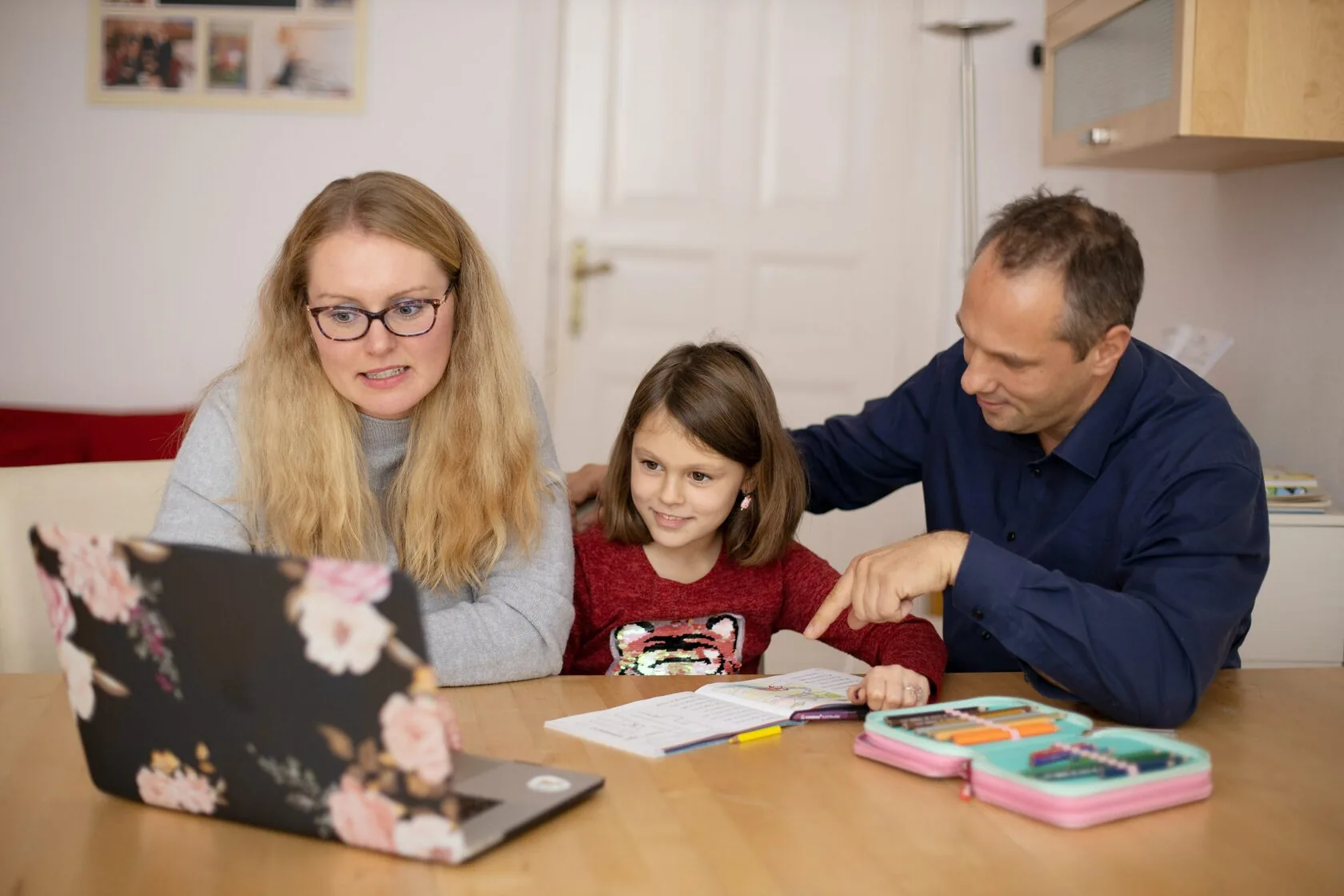
Deciding to homeschool abroad immediately raises a second question: which curriculum will your child actually follow? Expat families rarely improvise everything themselves. Most anchor their homeschooling in a structured distance programme, and the choice usually comes down to the school system you want your child to be able to rejoin later.
For families who want to keep a French trajectory, the CNED (the French national distance-learning centre) is the classic route. It delivers the official French curriculum from primary school to the baccalauréat, with registered enrolment options that keep a child formally within the French system, a real asset if you plan to return to France or move between French schools abroad.
Families oriented towards the British system can turn to online schools and distance colleges that prepare students for IGCSEs and A-levels, with live online lessons and recognised examination pathways. The American model offers its own ecosystem of accredited online schools and umbrella programmes leading to a US high school diploma, with a flexibility that suits families who move often.
There is no universally right answer. The sensible questions to ask are: which system does my child come from, which one might they re-enter, in which language are they strongest, and which final qualification (baccalauréat, A-levels, US diploma, or an international route) fits their university plans? A hybrid approach is common too: a core distance curriculum, supplemented by private tutoring in the subjects where the child needs a real teacher rather than a platform.
Socialisation: the real challenge, especially abroad
The stereotype of the isolated homeschooled child is largely outdated, but the concern behind it is legitimate, and it is sharper in expatriation, where your child has already left friends behind. A homeschooled expat child needs a deliberate social life: sports clubs, music or theatre groups, scout troops, activities within the local French or international community, and meet-ups with other homeschooling families, which exist in most large expat cities.
This is also where honest self-assessment matters. Home education suits children and teenagers who are reasonably autonomous, mature enough to work on their own, and disciplined enough to follow a programme without a classroom around them. For some families it is less a choice than a necessity: school refusal or bullying situations, sometimes with medical support, a deep disagreement with the values of the available schools, or quite simply the impossibility of securing a place in the local French or international school, a genuine obstacle course in some cities. In countries where homeschooling is permitted, it can then be a valuable fallback. Where it is not, enrolment in a local school will be unavoidable.
How Axiom Academic supports homeschooling families abroad
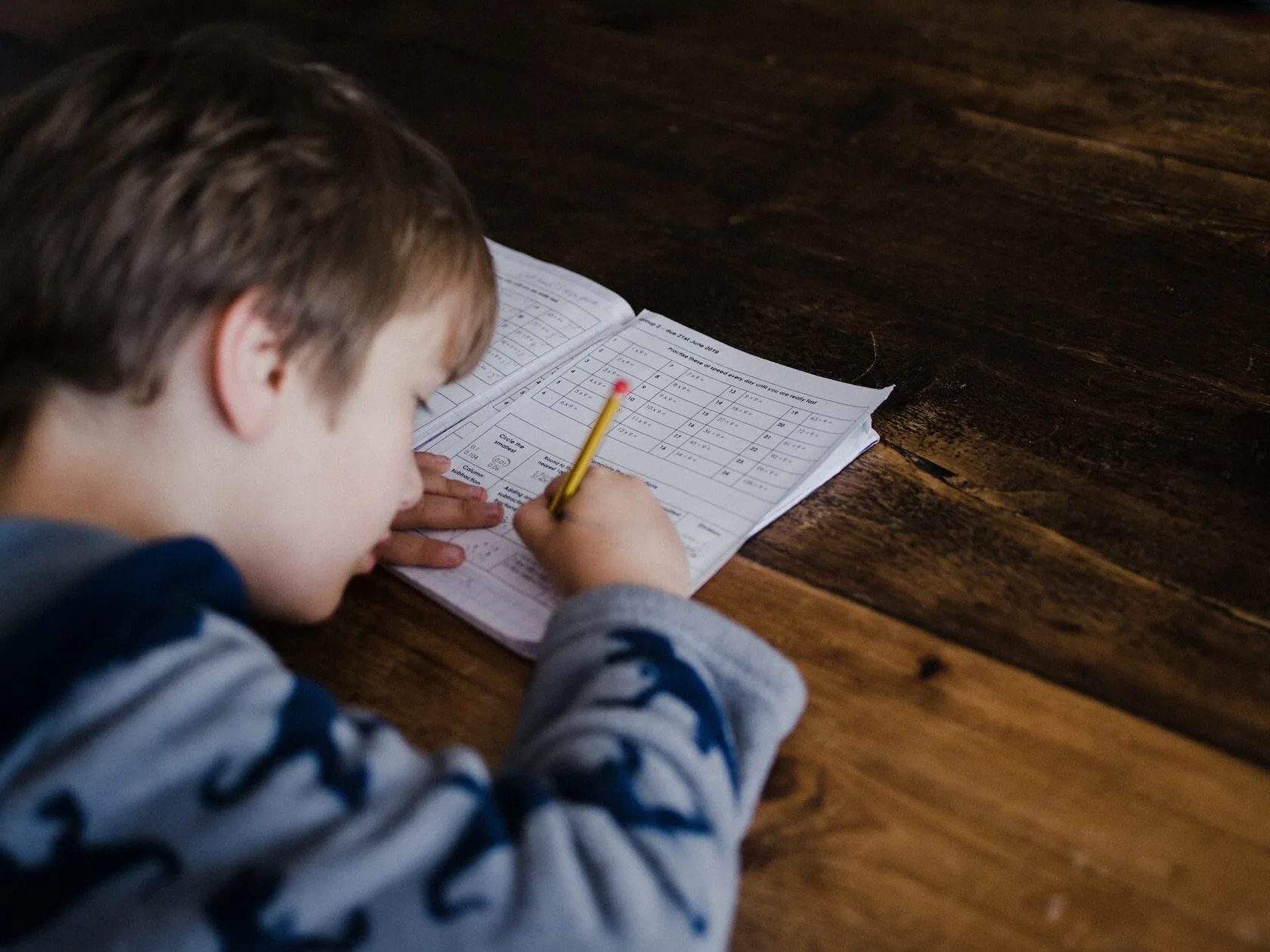
Taking charge of your child’s education is demanding. It calls for discipline, organisation, and, let us be honest, a solid academic background: some parts of the secondary curriculum are highly specialised, whichever system you follow. This is where professional support makes a real difference.
Axiom Academic works with expat families around the world. Our tutors, most of them French-qualified teachers, and our carefully selected top-university students, support homeschooled children subject by subject: consolidating a distance curriculum such as the CNED, filling gaps, or acting as an academic coach who helps a teenager stay organised and motivated. Lessons can take place at home or online, one-to-one or in small groups of children from the same family or neighbourhood, which lowers the cost and recreates a touch of classroom atmosphere.
If you are weighing up homeschooling for your next posting, talk it through with us: we will help you assess the options in your host country and build a set-up that fits your child. You can reach our team through our contact page, and every engagement starts with our first-lesson satisfaction guarantee: if the first lesson does not convince you, it is refunded.
Key takeaways for expat families
- Homeschooling legality depends on your host country: your passport and home-country rules do not follow you abroad.
- Germany, Sweden, Spain, Greece and the Netherlands allow it only in rare cases; Turkey bans it; England and the US leave families broad freedom.
- France is one case among many: home education there now requires prior authorisation under the 2021 law and 2022 decree.
- Distance curriculums anchor most expat homeschooling: CNED for the French track, online schools for IGCSE/A-levels or a US diploma.
- Socialisation must be organised deliberately: clubs, activities and other homeschooling families in your expat city.
- Rules change fast: verify the current position with your host country's education authorities every school year.