









 France
  English
  United Arab Emirates
  España
  Россия
  中国
中国 Schooling and Academic Support in Switzerland: An Expat Family's Guide
Switzerland's education system largely takes care of itself, yet expat families face real choices: international, bilingual or local schooling, the IB or a home curriculum. Here is how to navigate it.
Switzerland has a reputation for self-sufficiency, and its education system is no exception. Homework support is built into school life, pupils with specific needs benefit from structured follow-up, and academic autonomy is cultivated from an early age. For an outside provider, it is one of the hardest markets in Europe to enter. Yet for anglophone expat families arriving with children in tow, the Swiss landscape of international schools, bilingual programmes and elite boarding schools raises very real questions: which curriculum, which language, and what to do when school support alone is not enough. At Axiom Academic, we have spent years studying this singular market, and this guide distils what expat families need to know.
The truth is that Swiss families never waited for anyone to offer them private tutoring: the system largely takes care of itself. But that very strength is what makes the country fascinating to observe. Understanding how Swiss schooling works, and where its blind spots lie for international families, is the key to making the right choices.
Understanding this unique system is the key to finding your place in it
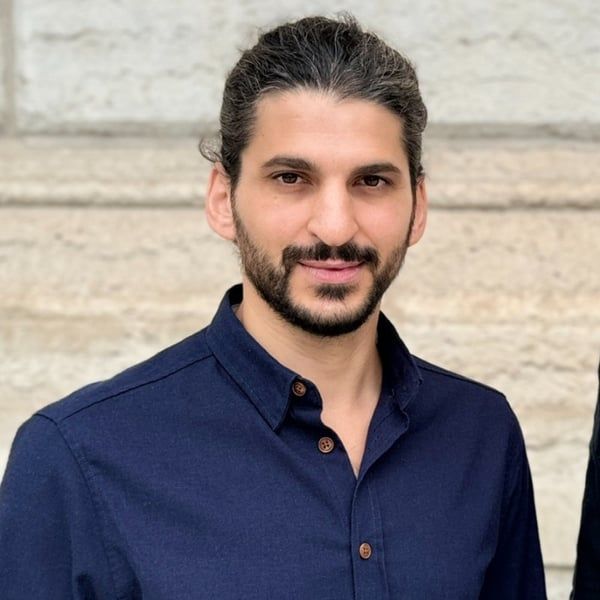
Constantin Mardoukhaev, Co-founder AXIOM ACADEMIC
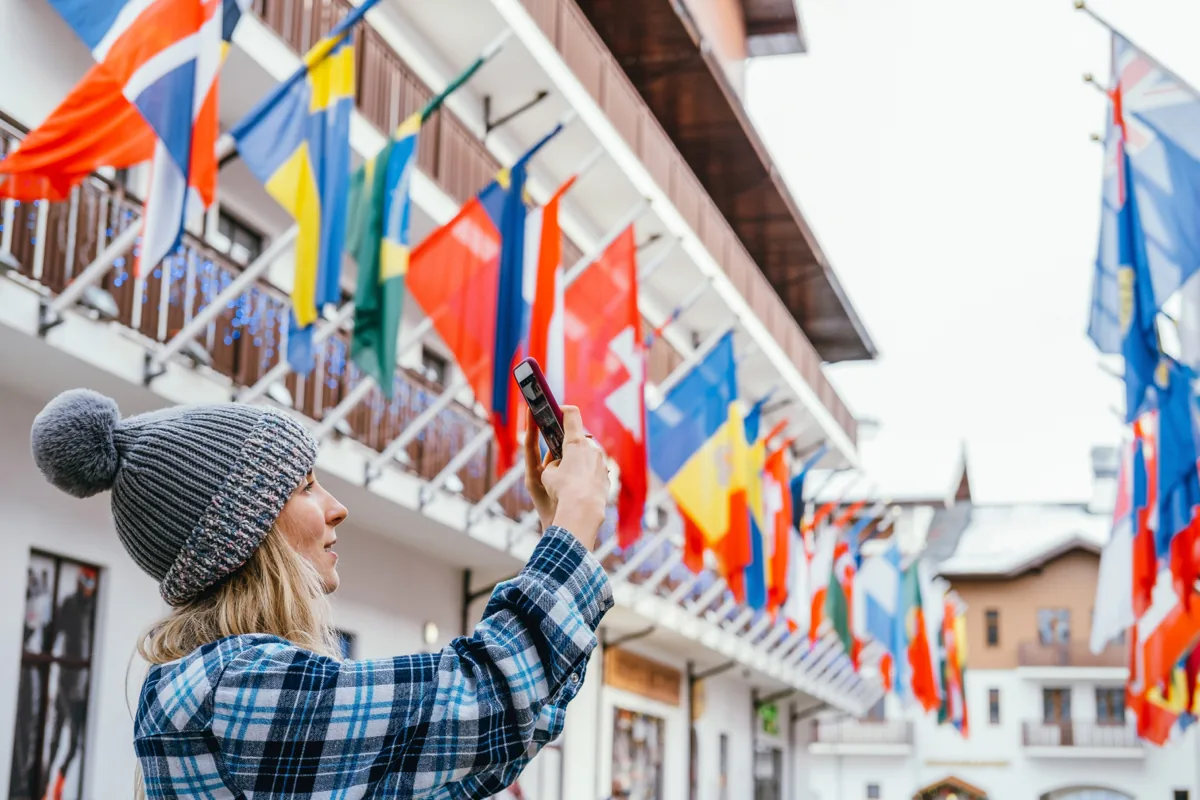
Geneva, birthplace and stronghold of the IB
It is impossible to talk about schooling in Switzerland without mentioning the International Baccalaureate (IB). Created in Geneva in the 1960s, the programme has become a global reference. And with good reason: it embodies an international, open, multilingual vision of education that appeals to expat families and locally based elites alike.
In Geneva, a city of international headquarters and considerable wealth, the diversity is striking. The city draws expat families, economic elites and communities from every corner of the world: British, American, French, Lebanese, Italian, Spanish, Russian-speaking, African, Asian and Latin American families all cross paths in its classrooms.
For international families and elites in Geneva, the IB is close to a social standard, the reflection of a globalised outlook. For anglophone parents, it is often the most natural landing point: taught in English, recognised by universities worldwide, and offered by most of the city’s leading international schools.
The programme’s influence reaches well beyond Geneva. You will find the IB in almost every major international school across the country, where it competes directly with national curricula such as the French Baccalauréat, A-Levels or the Swiss Matura. Competition between systems is so real that some established schools have had to rework their entire positioning to stay in the race.
International and bilingual schools: the heart of the expat choice
For anglophone families, the central decision is rarely “state school or private school”. It is “fully international, bilingual, or local immersion”. Switzerland offers all three in abundance.
Fully international schools, concentrated around Geneva, Zurich, Lausanne and Basel, teach primarily in English and typically offer the IB, sometimes alongside British or American tracks. They come with built-in learning support, university counselling and a familiar culture, at a price that reflects it.
Bilingual schools are the fast-growing middle ground. They pair English with German or French, and appeal to families who plan to stay several years and want their children genuinely integrated into the local language environment without giving up an internationally portable curriculum.
Then there are Switzerland’s famous boarding schools, an elite niche in its own right. They attract families from around the world seeking academic rigour, multilingualism and an international network, and they operate in a universe of highly demanding expectations where personalised academic coaching is simply part of the culture.
A telling example: the French Lycée in Zurich
The evolution of Zurich’s French school says a great deal about this competitive landscape. It is no longer called simply “Lycée Français de Zurich” but Lycée Français International de Zurich (LFIZ).
The addition is anything but trivial. In a country where international schools keep multiplying and winning over families, displaying an “international” identity has become a strategic weapon. Even long-established national schools must constantly adjust their positioning to remain attractive. For expat parents comparing options, it is a useful signal: in Switzerland, every school is fighting for the same internationally mobile families, and the offer keeps improving as a result.
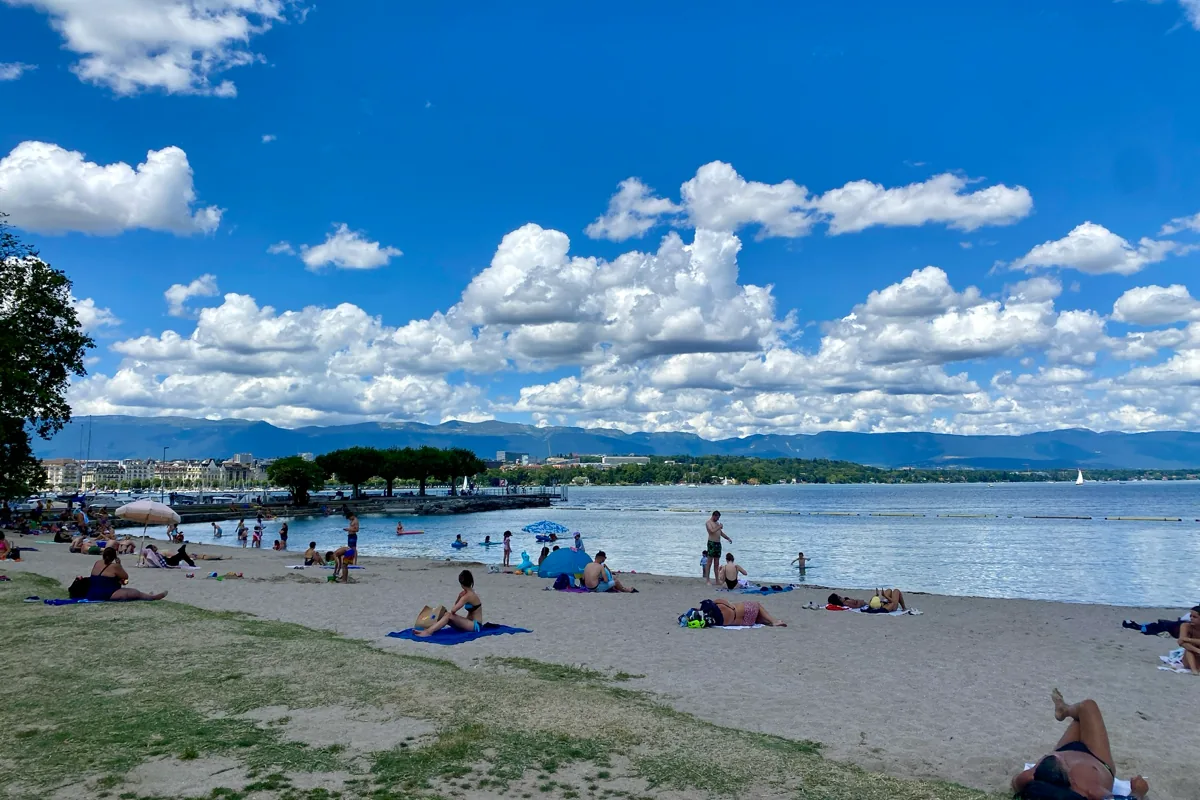
Sharp regional contrasts in academic support
Academic support in Switzerland is anything but uniform: it varies enormously from one region to another, depending on the families who live there and the resources available.
In Geneva, cosmopolitanism attracts a demanding international population. Expat families and local elites gravitate towards international schools that already include in-house support programmes. With the IB so dominant, the real tutoring needs concentrate on exam-specific preparation, language consolidation and the individualised follow-up that schools do not always cover.
In Lausanne, demand exists but on a smaller scale. Many families draw on a local pool of students from EPFL or the University of Lausanne who offer private lessons at competitive rates. This informal parallel system leaves limited room for structured providers: the market is stable but narrow.
In Zurich, the sheer variety of school pathways (the LFIZ, English-speaking international schools, Swiss local schools) produces far more varied demand. Some families want to keep up a heritage language, others need to strengthen German for local integration, or prepare for the demands of the IB. Part of the support comes from local networks of students and independent teachers, but the heterogeneity of needs opens real space for specialised, organised tutoring.
In other cantons such as Valais, the offer is even more diffuse. You will find highly selective schools, including prestigious boarding schools, but few professional support structures. Families often rely on improvised local solutions: a private teacher recommended by word of mouth, or small informal networks.
In short, Switzerland is not one unified tutoring market but a mosaic of regional micro-markets. That fragmentation is precisely what makes the country so difficult for outside providers to enter, and so confusing for newly arrived families to navigate.
The Swiss paradox
Swiss education enjoys a reputation for excellence. Local schools provide high-quality supervision, homework help is woven into daily school life, and pupils with specific needs receive structured follow-up. All of this makes it natural that demand for external tutoring remains low among Swiss families.
The paradox lies elsewhere: despite the solidity of the system, there are genuine, specific needs that traditional structures do not fully cover.
- Expat families, who want to maintain a heritage language, keep a foothold in their home curriculum, or prepare a smooth return to their home school system.
- Students in international tracks, especially the IB, who face demanding assessments that often look nothing like what their parents experienced at school.
- Multilingual families, juggling German, French and English, who want to make sure their children progress harmoniously in each language rather than plateauing in all three.
- Families in outlying areas, where the offer is thin and hiring whichever local student is available becomes the default rather than a choice.
This is the real paradox: in a country where, in theory, everything is in place for students to succeed, pockets of demand still escape the system. For families living between several cultures, several languages and several school systems, the question is not whether Switzerland’s schools are good (they are), but who can support their child’s particular, hybrid path. That calls for a specialised, targeted response rather than generic tutoring.
How Axiom Academic supports expat families in Switzerland
Axiom Academic works with international families across Switzerland, matching each student with the private tutor best suited to their curriculum, languages and goals: IB preparation, bilingual consolidation, keeping up a home-country curriculum, or targeted exam coaching. Every engagement starts with a first lesson covered by our satisfaction-or-refund guarantee.
Our advisor Lou, based in Zurich, personally guides expat families through their schooling questions and connects students with the right tutors.
- By e-mail: lou.dsp@axiom-academic.fr
- By WhatsApp: click here
- Via our website: contact us
She will be delighted to hear about your family’s situation and point you towards the most suitable solution.
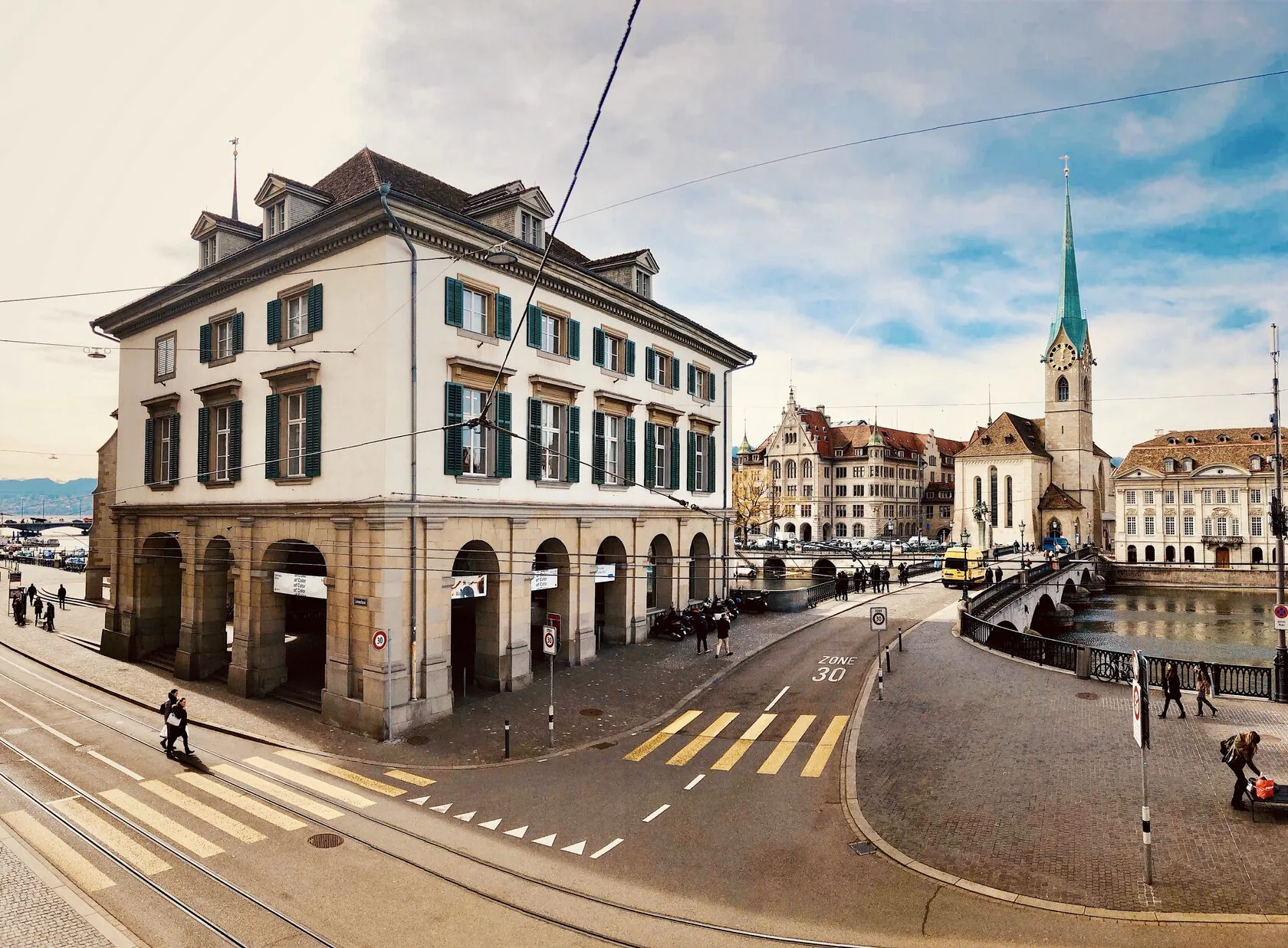
Key takeaways for expat families
- Geneva is the birthplace of the International Baccalaureate, still the default choice for anglophone and internationally mobile families
- The real decision is between fully international, bilingual and local-immersion schooling, each with distinct trade-offs
- Academic support varies sharply by region: Geneva, Lausanne, Zurich and outlying cantons are separate micro-markets
- Swiss schools build in homework help and learning support, so external tutoring demand is low among local families
- Genuine gaps remain for expat, multilingual and IB families: heritage languages, exam preparation and hybrid school paths
- Axiom Academic matches students with specialised tutors, with a satisfaction-or-refund guarantee on the first lesson