











 France
  English
  United Arab Emirates
  España
  Россия
  中国
中国 How Expatriation Shapes Your Child's Personal Development
Expatriation opens the door to new cultures, languages and ways of life. For children, the impact runs even deeper, as it unfolds while they are still growing towards adulthood.

Living abroad is an experience that leaves a deep mark on anyone’s personal development. It opens the door to new cultures, new languages and new ways of life. For children, the impact of expatriation is even greater, because it unfolds at the very moment they are growing towards adulthood, with a fresh and open mind. To help them get the most out of the experience, it is worth preparing the move as a family, well before departure.
Developing open-mindedness
Moving abroad allows children of all ages to discover new cultures and new ways of living. It helps them build a broader understanding of the world and become more open-minded and more curious. They learn to see the world through perspectives different from those of their passport country, and in doing so they question whatever preconceptions they may have picked up along the way.
Developing tolerance of differences
Expatriate life brings young people into daily contact with peers from a wide range of cultural backgrounds. Quite naturally, they develop a tolerance of differences and learn to live in harmony with people who do not share the same culture, the same lifestyle or even the same beliefs. They acquire what could be called a genuine social richness, learning to respect differing opinions, convictions and customs in an environment that has become truly multicultural.
Developing adaptability
A new life abroad is challenging, and it can feel unsettling for younger children. This new chapter demands the ability to adapt to unfamiliar environments where the unknown appears in every shape and form. Taking that leap builds children’s adaptability, helping them become more flexible and better at handling change. It is probably the first major transition of their life, and it will not be the last. Their skills multiply throughout the discovery. They learn to adjust to new situations, to find solutions to the problems they encounter, and to face future upheavals with far greater independence. It is no coincidence that families who move often describe their children as remarkably resilient: cross-cultural transitions are demanding, but they are also formative.
Developing independence
Expatriation also teaches young people to manage on their own in a new setting. Striking up a conversation in another language, building a new circle of friends around unfamiliar games, showing kindness towards the unknown: these challenges all come down to the courage to dare. That ability strengthens both independence and self-esteem. Open-mindedness, resourcefulness and self-management often nurture a more outgoing personality in expat children.
Developing self-control
Through its many trials, this new life can be both stressful and stimulating. It allows young people to sharpen their emotional self-control and consolidate their ability to manage their feelings. They learn to cope with stress, handle frustration and regulate their emotions through a myriad of situations they would not necessarily have experienced back home.
The challenges of expatriation
Of course, moving abroad can also bring real difficulties for children. As with any relocation, an adjustment period is unavoidable. Children may feel isolated or disoriented, or run into language barriers, for instance. It is important to walk alongside them and support them during this transition, and to keep the conversation open so you understand the challenges they are facing.
Here are a few tips to help them make the most of their expat experience:
- Embrace new experiences: encourage them to step outside their comfort zone and explore new cultures and new ways of living.
- Connect with others: make a real effort to communicate with people from different cultural and linguistic backgrounds. It will help them understand their host culture better and make new friends.
- Be patient: adapting to a new culture takes time. No one should expect to understand and master everything straight away; this transition period matters, and it should not be rushed.
Encouraging them to dare, to reach out to others without letting fear take over, is essential. In the day-to-day of this new life, the unknown is not a synonym for danger. Curiosity, and the desire to discover and to meet people, will emerge or keep growing day after day.
This is where the notion of the Third Culture Kid, or TCK, comes in: a term coined by Dr. Useem in 1960 to describe how a child’s birth culture (the first) blends with the culture of the host country (the second) to create a unique way of life (the third), characterised by new beliefs and values. Third Culture Kids do not fully identify with their parents’ culture, nor have they entirely absorbed the culture of their host country. They build their own distinct framework of ethics and behaviour, while developing a unique identity shaped by several cultures at once.
Children raised abroad grow up between worlds, and this multicultural upbringing nurtures a remarkable richness of mind from their earliest years.
Expatriation is a unique and deeply enriching experience, all the more powerful when it happens while a person is still growing up. With a little preparation and a clear-eyed view of the challenges this fresh start represents, children can make the most of an adventure that plays a major role in their personal development and in their appetite for new horizons.
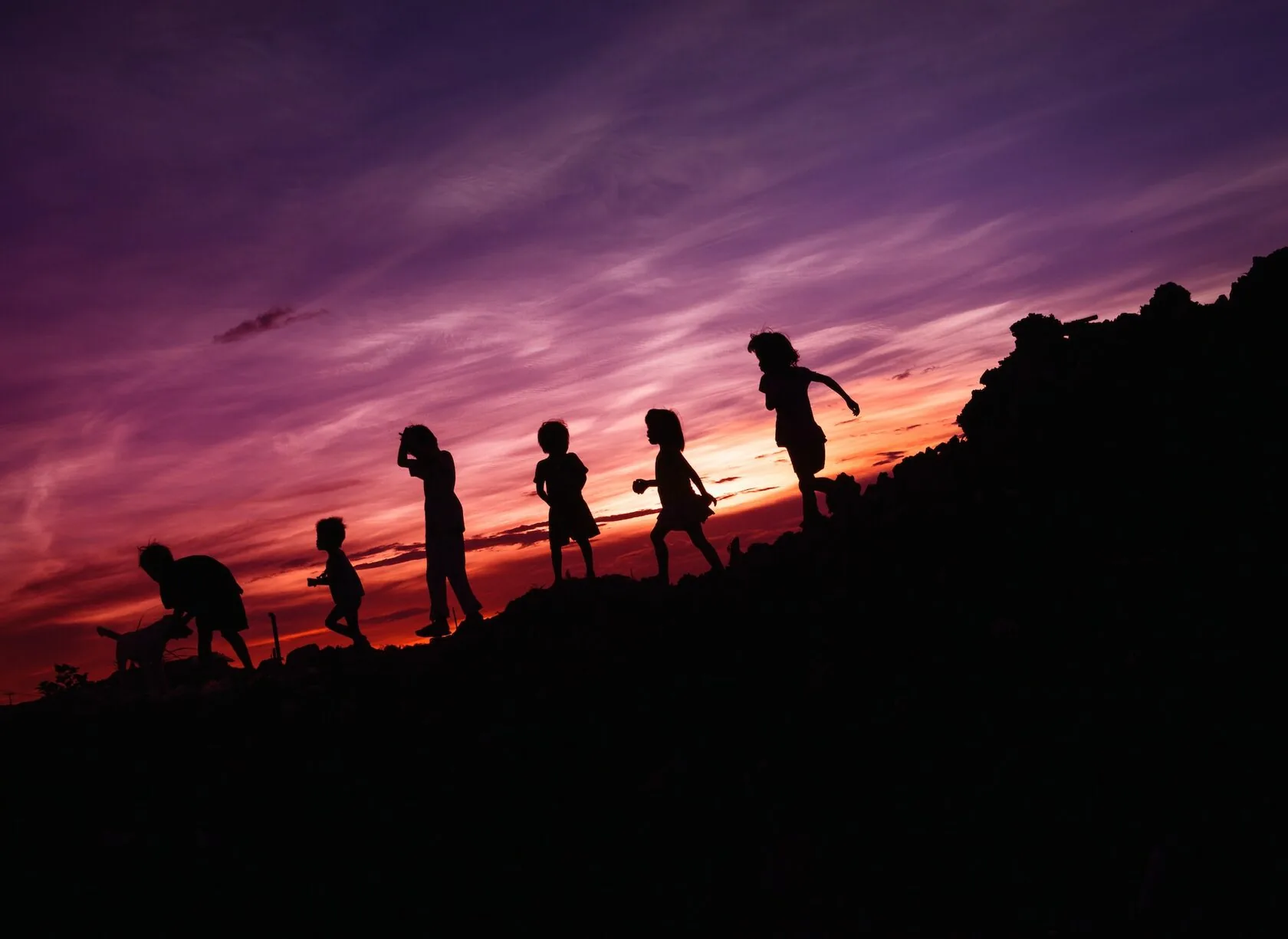
Photo by Rene Bernal on Unsplash
How Axiom Academic supports Third Culture Kids
At Axiom Academic, we work with expat and TCK families every day. Our private tutors, themselves familiar with international mobility, help children keep their academic footing through relocations, curriculum changes and language transitions, whether they study in a French, British, American or IB system. Lessons take place at home or online, wherever your family’s journey leads. Every engagement starts with a simple promise: the first lesson is satisfaction guaranteed or your money back. To discuss your child’s needs, feel free to get in touch.
Key takeaways
- Living abroad broadens children's minds and teaches tolerance of cultural differences
- Cross-cultural transitions build adaptability, resilience and independence
- New environments help children strengthen emotional self-control
- Adjustment takes time: support, patience and open dialogue are essential
- Third Culture Kids blend birth and host cultures into a unique identity of their own